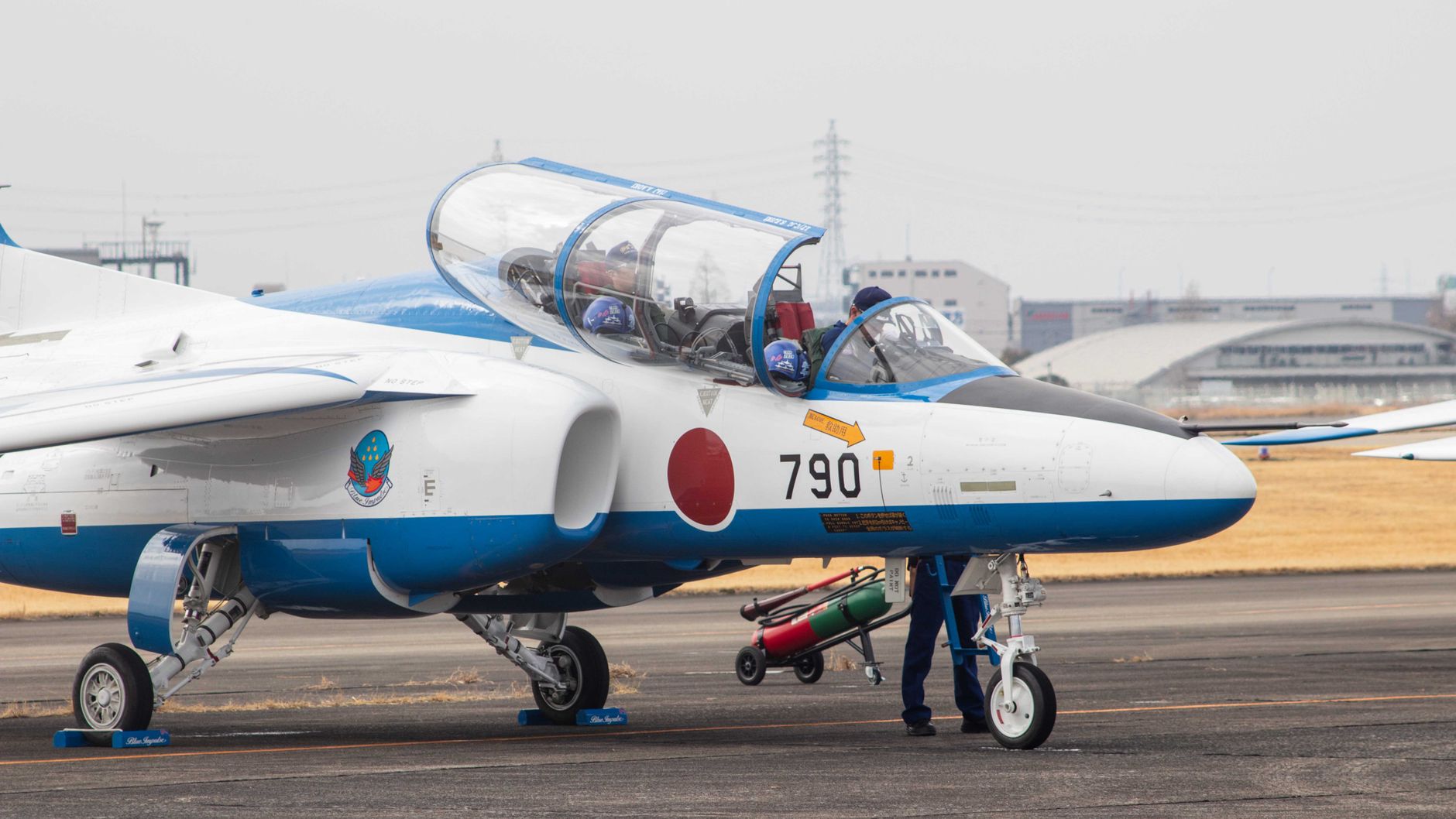
Japan defense spending: The Right Way to Boost Security
Japan defense spending is becoming a critical topic as the government considers a corporate tax rise to enhance national security.
Understanding Japan’s Defense Spending Needs
As geopolitical tensions rise in the Asia-Pacific region, understanding Japan’s defense spending needs has become crucial for national security. The Japanese government is contemplating various strategies to enhance its defense capabilities, with funding being a primary concern.
Several factors contribute to the necessity for increased defense spending in Japan:
- Regional Threats: The growing assertiveness of neighboring countries has heightened security risks.
- Modernization: Japan requires advanced military technology to keep pace with evolving threats.
- International Commitments: Japan has obligations to allies, necessitating a stronger defense posture.
- Public Support: There is a rising consensus among citizens on the need for enhanced defense capabilities.
To address these needs, the government may consider options such as a corporate tax rise to increase Japan defense spending effectively.
The Impact of Corporate Tax on National Security
In recent discussions regarding Japan defense spending, the potential rise in corporate tax has emerged as a significant factor. This move could provide the necessary funds to enhance national security without solely relying on increased public debt. Analysts suggest that a higher corporate tax rate might lead to a more stable funding source for defense initiatives.
Key points to consider include:
- Investment in Technology: Increased funding can facilitate advancements in defense technology, ensuring Japan remains competitive in a rapidly changing geopolitical landscape.
- Strengthening Alliances: Enhanced defense spending could improve Japan’s ability to collaborate with allies, fostering stronger security partnerships.
- Economic Stability: A balanced approach to corporate taxation could stimulate economic growth while simultaneously addressing defense needs.
Thus, the relationship between corporate tax policy and Japan defense spending is increasingly becoming a crucial element in national security strategies.
Potential Benefits of Increased Defense Funding
As Japan contemplates an increase in defense spending, several potential benefits arise that could significantly enhance the nation’s security posture.
- Strengthened Military Capabilities: Increased funding allows for the modernization of Japan’s Self-Defense Forces, enabling them to address contemporary security threats more effectively.
- Enhanced Regional Stability: By boosting defense spending, Japan can play a more proactive role in regional security collaborations, fostering stronger alliances with neighboring countries.
- Economic Growth: A rise in defense spending can stimulate the domestic defense industry, leading to job creation and technological advancements.
- Deterrence Strategy: A well-funded defense sector can serve as a deterrent against potential aggression, contributing to a more stable geopolitical environment.
Ultimately, the potential benefits of increased defense funding underscore the importance of investing in Japan’s security framework.
Challenges Facing Japan’s Economic Policies
Japan’s defense spending is increasingly scrutinized in the context of the nation’s broader economic policies. Several challenges must be addressed to ensure that increased defense funding translates into enhanced security.
Firstly, Japan faces a demographic crisis, with a rapidly aging population and a declining workforce. This situation limits available resources for social services and defense. Secondly, balancing defense spending with other critical sectors, such as healthcare and education, poses a significant challenge for policymakers.
Moreover, Japan’s reliance on international partnerships for security complicates its defense strategy.
- Negotiations with allies may lead to increased expectations for Japan’s military commitments.
- Public opinion remains divided on the extent of military spending, reflecting deep-seated pacifist sentiments.
Addressing these challenges is essential for Japan to create a sustainable and effective defense spending strategy.
Global Perspectives on Defense Spending
As nations grapple with evolving security threats, global perspectives on defense spending reveal a myriad of strategies tailored to unique geopolitical contexts. Many countries, facing similar challenges, have opted to increase their defense budgets, emphasizing the need for robust national security. In this light, Japan defense spending has garnered attention as the nation seeks to enhance its military capabilities amidst regional tensions.
Countries like South Korea and NATO members have implemented significant increases in their military expenditures, citing the necessity of maintaining a strong defense posture. Meanwhile, countries such as Germany have shifted their historical stance on military spending, recognizing the importance of preparedness.
Ultimately, global trends indicate a collective acknowledgment that defense spending is not merely a financial commitment but a strategic necessity for safeguarding national interests and ensuring stability in an unpredictable world.
Public Opinion on Tax Increases for Defense
As discussions around Japan defense spending continue, public sentiment regarding tax increases has become a critical factor. Many citizens are weighing the necessity of enhanced security measures against the potential burden of higher taxes. Recent surveys indicate a divided opinion among the populace:
- Support for Tax Increases: Some believe that an increase in defense spending is essential for national security, particularly in light of regional tensions.
- Opposition to Higher Taxes: Others express concern that raising taxes could negatively impact economic growth and personal finances.
- Desire for Transparency: There is a strong call for the government to clearly communicate how additional funds will be allocated to defense.
This complex landscape of public opinion reflects the broader challenges Japan faces as it navigates its defense spending strategies while balancing economic health.
Future Outlook for Japan’s Military Budget
The future outlook for Japan’s military budget remains a critical topic as the nation navigates its defense spending strategy. With regional tensions rising and the need for enhanced security becoming increasingly apparent, Japan must prioritize a robust military budget to address these challenges.
Recent discussions have highlighted the possibility of a corporate tax rise as a viable option to boost Japan defense spending. This approach could provide necessary funding while ensuring that the economy remains competitive. Key stakeholders are advocating for a careful balance between economic growth and national security needs.
In addition, Japan’s commitment to international alliances and collaborative defense initiatives will be essential in shaping its military expenditure. As the global landscape evolves, Japan’s defense spending will need to adapt to meet both domestic and international expectations.
Overall, the path forward will require strategic planning and public support to ensure sustainable growth in defense capabilities.
Japan defense spending has seen a significant increase in recent years, reflecting the nation’s commitment to enhancing its security capabilities. As regional tensions rise, Japan defense spending is poised to play a crucial role in ensuring stability and deterrence in the Asia-Pacific region.
Photo by 貴彦 佐藤 on Pexels
References
Related reading