China electric aircraft: First Manned Flight Achieves Milestone
China electric aircraft has achieved a remarkable milestone with its first manned flight, marking a significant step in the development of electric aviation.
Overview of China’s Electric Aircraft
China has made significant strides in the development of electric aircraft, culminating in the recent achievement of its first manned flight. This landmark event marks a crucial milestone for the country’s ambition to revolutionize aviation through sustainable technology. The electric aircraft, weighing 22,000 pounds, showcases impressive engineering and innovation, positioning China as a key player in the global shift towards environmentally friendly air travel.
With the increasing concerns over carbon emissions and environmental impact, China’s electric aircraft initiative aims to provide a viable alternative to traditional fuel-powered planes. The successful test flight not only demonstrates the aircraft’s capabilities but also highlights the potential for reduced operating costs and noise pollution in urban areas.
As the aviation industry evolves, the focus on electric aircraft is expected to grow. Key features of this development include:
- Enhanced efficiency: Electric propulsion systems reduce fuel consumption.
- Lower emissions: A significant decrease in greenhouse gas output.
- Innovative design: Incorporation of advanced materials and technologies.
The future of aviation in China may very well be electric.
Significance of the First Manned Flight
The recent achievement of the first manned flight of China’s electric aircraft marks a pivotal moment in the realm of aviation technology. This milestone not only showcases the advancements made in electric propulsion systems but also emphasizes China’s commitment to sustainable aviation solutions.
Experts believe the significance of this flight extends beyond mere technical accomplishment. It illustrates how electric aircraft can potentially transform the aviation industry by:
- Reducing Carbon Emissions: Electric aircraft have the capability to significantly lower greenhouse gas emissions compared to traditional fuel-powered planes.
- Lowering Operational Costs: With fewer moving parts and reduced fuel expenses, electric aircraft can offer cost-effective alternatives for airlines.
- Enhancing Urban Air Mobility: The development of electric aircraft could facilitate new transportation models, making air travel more accessible in urban areas.
As China continues to innovate in electric aircraft technology, this historic flight is expected to inspire further research and investment, paving the way for a greener future in aviation.
Technological Innovations in Electric Aviation
Recent advancements in electric aviation have showcased significant technological innovations that are transforming the landscape of air travel. China electric aircraft have become the focal point of research and development, boasting features that enhance efficiency and sustainability.
Among the groundbreaking technologies, the following stand out:
- Advanced Battery Systems: New lithium-sulfur and solid-state batteries are being tested, offering higher energy density and longer flight times.
- Lightweight Materials: The use of composite materials has reduced overall weight, improving performance and energy consumption.
- Autonomous Flight Systems: Enhanced navigation and control systems are being integrated, allowing for safer and more efficient operations.
- Propulsion Technologies: Innovations in electric propulsion are providing greater thrust while minimizing environmental impact.
These technological advancements not only contribute to the success of China’s electric aircraft but also pave the way for a new era of eco-friendly aviation, potentially reducing the carbon footprint of air travel significantly.
Future Prospects for Electric Aircraft
The successful manned flight of China’s electric aircraft marks a pivotal moment in the aviation industry, offering a glimpse into a future where sustainable air travel becomes a reality. As environmental concerns continue to rise, electric aircraft are poised to play a crucial role in reducing carbon emissions associated with traditional aviation.
Experts predict several advancements in this field, including:
- Increased Efficiency: Future electric aircraft are expected to utilize cutting-edge battery technology, resulting in longer flight ranges and shorter charging times.
- Cost Reduction: As manufacturing processes improve and economies of scale are realized, the operational costs of electric aircraft are likely to decrease, making them more accessible to commercial airlines.
- Regulatory Support: Governments may implement policies that favor sustainable aviation solutions, further accelerating the adoption of electric aircraft.
With ongoing investments in research and development, the future of China electric aircraft appears promising, potentially transforming the landscape of air travel in the years to come.
Challenges Facing Electric Aviation
The journey towards widespread adoption of China electric aircraft is not without its challenges. As the industry progresses, several key obstacles must be addressed to ensure the success and safety of electric aviation.
- Battery Technology: Current battery systems are heavy and have limited energy density, which affects flight range and overall performance.
- Regulatory Hurdles: Navigating the complex landscape of aviation regulations can delay the introduction and acceptance of new technologies.
- Infrastructure Development: The need for charging stations and maintenance facilities specifically for electric aircraft is essential for operational feasibility.
- Public Perception: Gaining consumer trust in electric aircraft is crucial, particularly in terms of safety and reliability compared to traditional aviation.
Addressing these challenges will require collaboration between government, industry stakeholders, and researchers. Only through overcoming these barriers can the vision of electric aviation in China truly take flight.
Market Impact of Electric Aircraft Development
The successful first manned flight of China’s electric aircraft marks a pivotal moment in the aviation industry, potentially reshaping the market landscape. This groundbreaking achievement highlights the growing investment and interest in sustainable aviation technologies.
Industry experts believe that the development of electric aircraft could lead to significant shifts in operational costs and environmental impacts. The advantages of electric propulsion include:
- Reduced Emissions: Electric aircraft promise lower carbon footprints compared to traditional fossil fuel-powered planes.
- Lower Operating Costs: With decreasing battery prices and simpler mechanical systems, airlines may benefit from reduced maintenance and fuel costs.
- Increased Accessibility: As technology advances, electric aircraft could open new routes to smaller airports, enhancing connectivity.
This milestone not only reinforces China’s position as a leader in electric aviation but also encourages global competitors to accelerate their own electric aircraft initiatives. As the market adapts, the implications for airline operations and environmental policy will be profound.
The successful manned flight of the China electric aircraft marks a significant advancement in the country’s aerospace technology. As engineers continue to innovate, the future of China electric aircraft looks promising for both commercial and environmental applications.
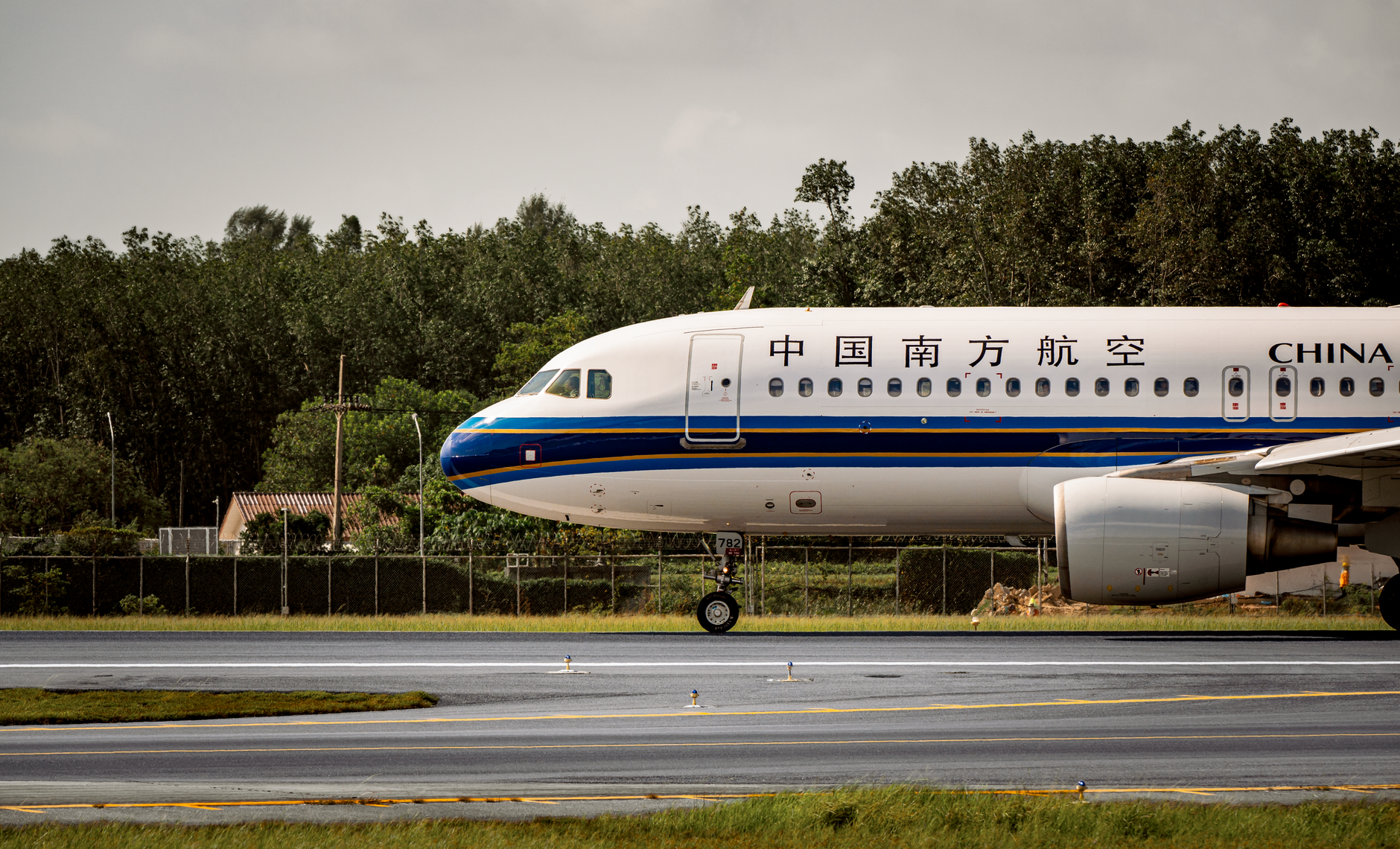
Photo by Optical Chemist on Pexels
References
Related reading