
Indian stock market triggers: Worst proven factors causing decline
Indian stock market triggers have led to a significant decline, with Sensex slipping over 11,000 points from its record high in the past 10 months. Investors are keen to understand the factors behind this downturn.
Understanding the Current Market Situation
The Indian stock market has faced significant fluctuations recently, with the Sensex slipping over 11,000 points from its record high in just 10 months. This decline has raised concerns among investors, prompting a closer examination of the factors at play. Understanding the current market situation is crucial for making informed investment decisions.
Several triggers have been identified as contributing to the downturn. These include:
- Global Economic Uncertainty: Concerns about inflation and interest rates globally have led to increased volatility in the markets.
- Domestic Policy Changes: Recent policy shifts and regulatory changes have created an unpredictable environment for investors.
- Corporate Earnings Reports: Disappointing earnings reports from key sectors have raised alarms about the overall health of the economy.
As the Indian stock market triggers further decline, investors are urged to remain vigilant and consider the broader implications of these factors. Staying informed and adapting strategies accordingly will be essential in navigating this challenging landscape.
Key Factors Behind the Decline
The Indian stock market has recently experienced a significant downturn, with several key factors contributing to this decline. Understanding these triggers is essential for investors looking to navigate the turbulent waters of the market.
- Global Economic Uncertainty: The ongoing geopolitical tensions and fluctuating international oil prices have created a climate of uncertainty that weighs heavily on investor sentiment.
- Inflation Concerns: Rising inflation rates have prompted fears of tighter monetary policy, leading to increased borrowing costs and reduced consumer spending. This has caused many investors to reassess their positions in the market.
- Corporate Earnings Disappointment: A series of disappointing earnings reports from major companies has raised concerns about the overall health of the economy, prompting a sell-off in stocks.
These factors combined have contributed to the recent volatility in the Indian stock market, triggering a decline that many analysts believe may continue if the underlying issues are not addressed promptly. Investors are advised to remain vigilant and informed as they navigate these challenging market conditions.
Expert Opinions on Market Recovery
Experts in the financial sector are closely monitoring the situation as the Indian stock market triggers continue to impact investor sentiment. Many analysts believe that a combination of domestic and global factors is contributing to the recent downturn. Market volatility has raised concerns, prompting experts to suggest that a structured recovery plan is essential.
One prominent analyst, Rajesh Sharma, emphasized the need for stronger fiscal policies to instill confidence among investors. “The current market situation calls for decisive actions from policymakers,” he stated. “Failure to address these key issues may prolong the decline in the Indian stock market.”
Additionally, Neha Gupta, a senior economist, pointed out that international economic conditions play a crucial role. “Global inflationary pressures and geopolitical tensions are creating uncertainty,” she mentioned. “Such external influences are significant triggers that can exacerbate the decline.”
Furthermore, experts recommend that investors adopt a cautious approach. “Diversifying investments and staying informed about market trends is vital during this turbulent period,” suggested Ravi Mehta. As the market navigates these challenges, the hope for a sustainable recovery remains a topic of intense discussion among financial experts.
Future Outlook for Investors
As the Indian stock market triggers concern among investors, it is essential to consider the future outlook for those looking to navigate this volatile landscape. Market analysts suggest that a cautious approach could be beneficial in the coming months. With the recent decline of the Sensex by over 11,000 points from its record high, many are left questioning the stability of their investments.
Investors are encouraged to remain vigilant and informed about potential market shifts. Key strategies may include:
- Diversification: Spreading investments across various sectors to mitigate risks associated with specific industries.
- Research: Staying updated on economic indicators and corporate earnings reports that could influence stock performance.
- Long-term Perspective: Focusing on long-term growth rather than short-term fluctuations can help in weathering market storms.
- Consultation: Seeking advice from financial advisors to tailor investment strategies based on personal risk tolerance and market conditions.
Ultimately, while the Indian stock market triggers uncertainties, adapting to changing conditions and making informed decisions can help investors navigate this challenging environment.
Tips for Navigating Market Volatility
As investors navigate the fluctuating landscape of the Indian stock market, it is essential to implement some effective strategies to mitigate risks associated with market volatility. Here are some tips to consider:
- Diversify Your Portfolio: Spreading investments across various sectors can help cushion against significant declines caused by sector-specific triggers.
- Stay Informed: Keep up with market news and economic indicators that may impact stock prices. Understanding the factors behind triggers in the Indian stock market can lead to more informed investment decisions.
- Set Realistic Goals: Establishing achievable investment targets can help maintain focus during turbulent times, reducing the temptation to react impulsively to market swings.
- Utilize Stop-Loss Orders: Implementing stop-loss orders can help limit potential losses by automatically selling stocks when they reach a predetermined price.
- Consult Financial Advisors: Seeking guidance from professionals can provide valuable insights tailored to individual risk tolerance and investment objectives.
By adopting these strategies, investors can better navigate the challenges posed by triggers in the Indian stock market, potentially leading to more stable long-term returns.
The analysis of recent trends reveals that several Indian stock market triggers have significantly impacted investor confidence. Understanding these Indian stock market triggers is crucial for predicting future market behavior.
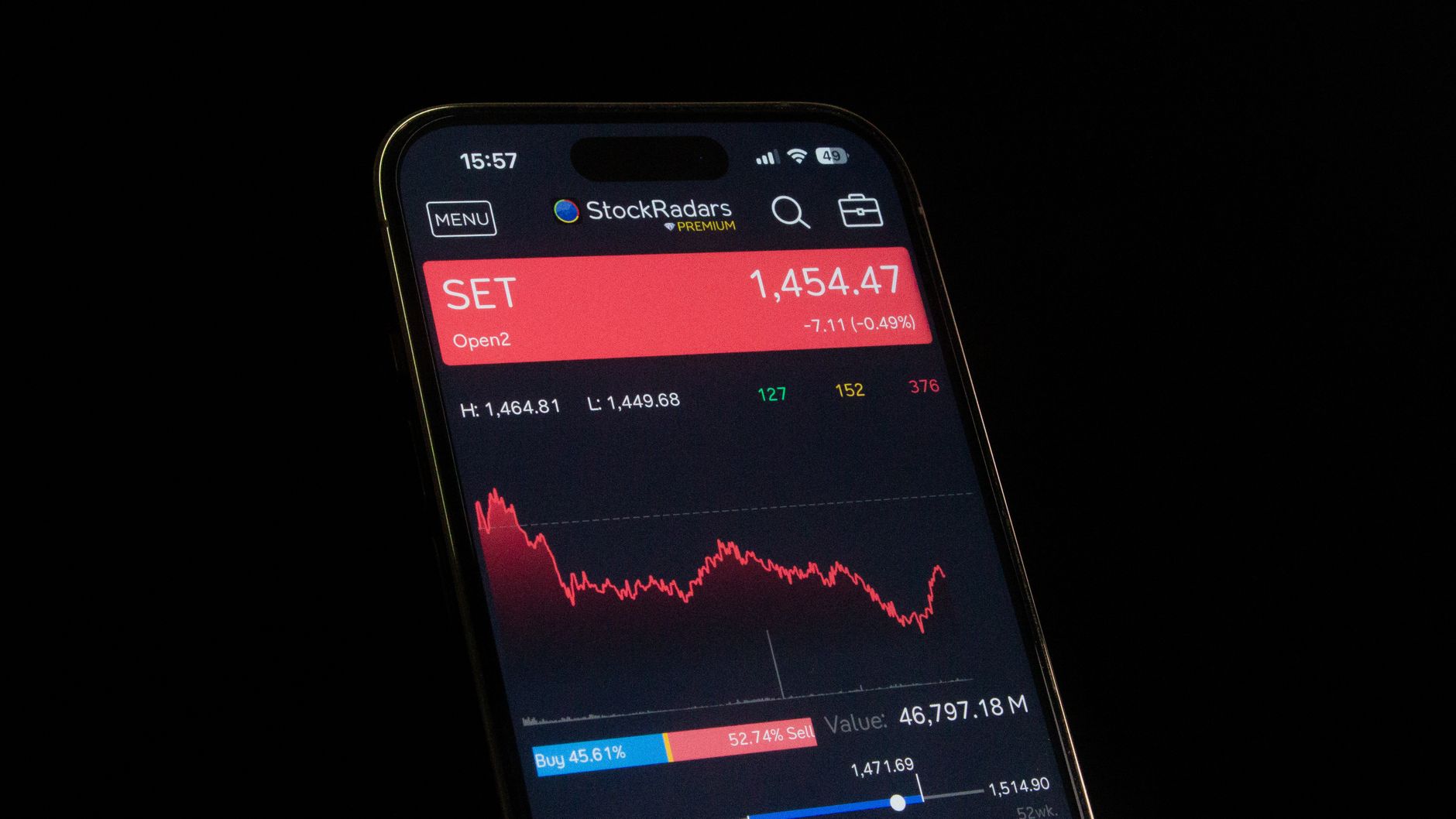
Photo by StockRadars Co., on Pexels
Where this came from
Snapdeal Parent IPO: Best Proven Investment Opportunity · Crypto Price Prediction: Best Proven Strategies for Investors · Salesforce stock performance: Worst earnings report impacts
