Shipping Companies’ Large Vessels: Worth the Investment?
shipping companies large vessels are making headlines as freight rates soar. This trend raises questions about the strategic decisions behind ordering larger ships amidst rising costs.
Understanding the Surge in Freight Rates
The shipping industry has recently witnessed a significant surge in freight rates, prompting many shipping companies to invest in large vessels. This trend raises questions about the long-term sustainability of such investments.
Several factors contribute to this increase in freight rates:
- Global Demand: The rise in e-commerce and international trade has led to heightened demand for shipping services.
- Supply Chain Disruptions: Ongoing challenges, including port congestion and labor shortages, have limited vessel availability.
- Operational Efficiency: Large vessels can carry more cargo, allowing shipping companies to benefit from economies of scale.
While investing in large vessels may seem prudent amid soaring freight rates, shipping companies must carefully consider potential future fluctuations in the market to ensure these investments truly pay off.
The Economics of Large Vessels
The economics behind investing in large vessels by shipping companies is multifaceted. While the surge in freight rates has made large vessels more appealing, the initial costs and operational challenges cannot be overlooked.
Shipping companies often consider several factors when deciding to invest in large vessels:
- Economies of Scale: Larger vessels can carry more cargo, which reduces the cost per unit shipped.
- Fuel Efficiency: Newer, larger vessels are often designed to be more fuel-efficient, leading to lower operating costs over time.
- Market Demand: As global trade continues to expand, the need for high-capacity shipping solutions increases, making large vessels an attractive option.
- Competition: To remain competitive, shipping companies must invest in modern fleets that can meet the demands of their clients.
Ultimately, the decision to invest in large vessels hinges on balancing these economic benefits against the inherent risks.
Why Are Shipping Companies Investing Now?
Shipping companies are investing in large vessels now due to several compelling reasons. Firstly, the demand for container shipping has surged, pushing companies to expand their fleets to meet increased consumer needs. Additionally, larger vessels offer economies of scale, allowing companies to transport more goods at a lower cost per unit. This efficiency becomes increasingly valuable in a competitive market.
Moreover, environmental regulations are prompting shipping companies to invest in modern, fuel-efficient vessels that reduce emissions. The transition to larger vessels can also align with sustainability goals, as they typically have better fuel consumption rates.
Lastly, with ongoing disruptions in global supply chains, investing in large vessels can provide a strategic advantage. By increasing capacity and reliability, shipping companies position themselves favorably to respond to fluctuating market demands and secure long-term contracts.
Impact on Global Trade
The expansion of shipping companies’ large vessels significantly influences global trade dynamics. As these companies invest in larger ships, the capacity for transporting goods increases, leading to greater efficiency in supply chains. This shift can help lower shipping costs per unit, benefiting consumers worldwide.
However, there are challenges associated with this trend:
- Port Congestion: Larger vessels require deep-water ports, which may not be available in all regions, causing delays.
- Environmental Concerns: Despite improved fuel efficiency, the carbon footprint of larger ships remains a significant concern.
- Market Fluctuations: A sudden drop in demand can lead to oversupply, negatively impacting freight rates.
Ultimately, while investing in shipping companies’ large vessels may yield short-term advantages, their long-term viability depends on navigating these complex challenges in an evolving global market.
Future Trends in Shipping Industry
As the shipping industry continues to evolve, several trends are shaping the future of shipping companies and their large vessels. One significant trend is the increasing emphasis on sustainability, as companies seek to reduce their carbon footprints. This shift is prompting the development of eco-friendly technologies and alternative fuels, which may transform how large vessels operate.
Additionally, advancements in digitization and automation are likely to play a crucial role in enhancing operational efficiency. Shipping companies are investing in smart technologies that improve cargo tracking and streamline logistics, ensuring that large vessels can meet the demands of a rapidly changing market.
Moreover, the rise of e-commerce continues to drive demand for larger ships capable of handling increased volumes. As global trade dynamics shift, the strategic investment in large vessels may prove essential for shipping companies aiming to remain competitive.
Many experts believe that shipping companies large vessels are essential for meeting the increasing global demand for goods. As economies continue to expand, the investment in shipping companies large vessels may prove to be a strategic advantage.
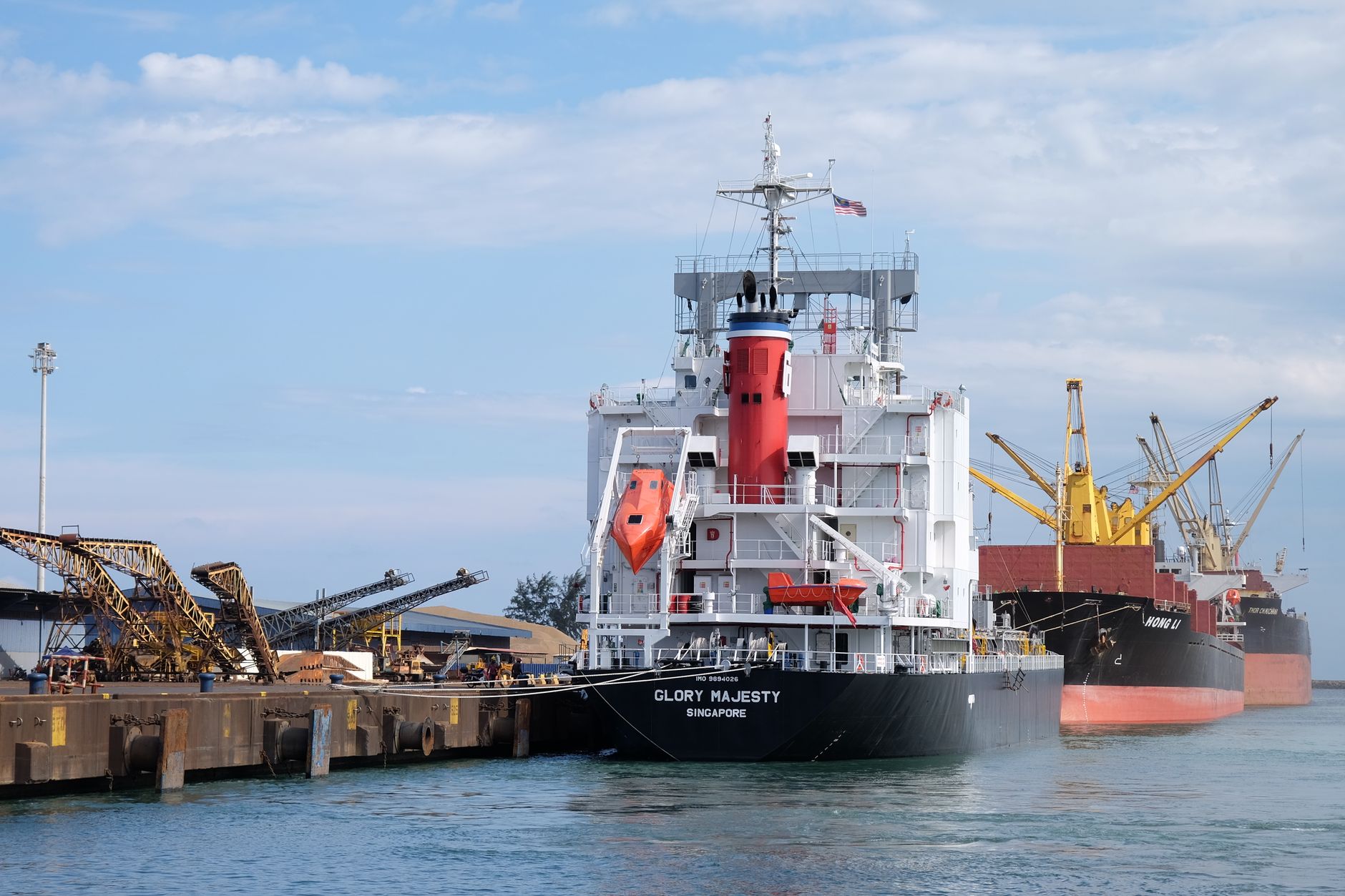
Photo by Uzer Othman on Pexels
References
You might also like